Male Eyelid Surgery: Refresh Your Look While Maintaining Masculine Features
For many men, the eyes tell a story they’d rather rewrite. Drooping eyelids, persistent under-eye bags, and excess skin can create a perpetually tired, aged appearance that contradicts your inner vitality. Male blepharoplasty offers a targeted solution specifically designed to address these concerns while preserving masculine facial characteristics.
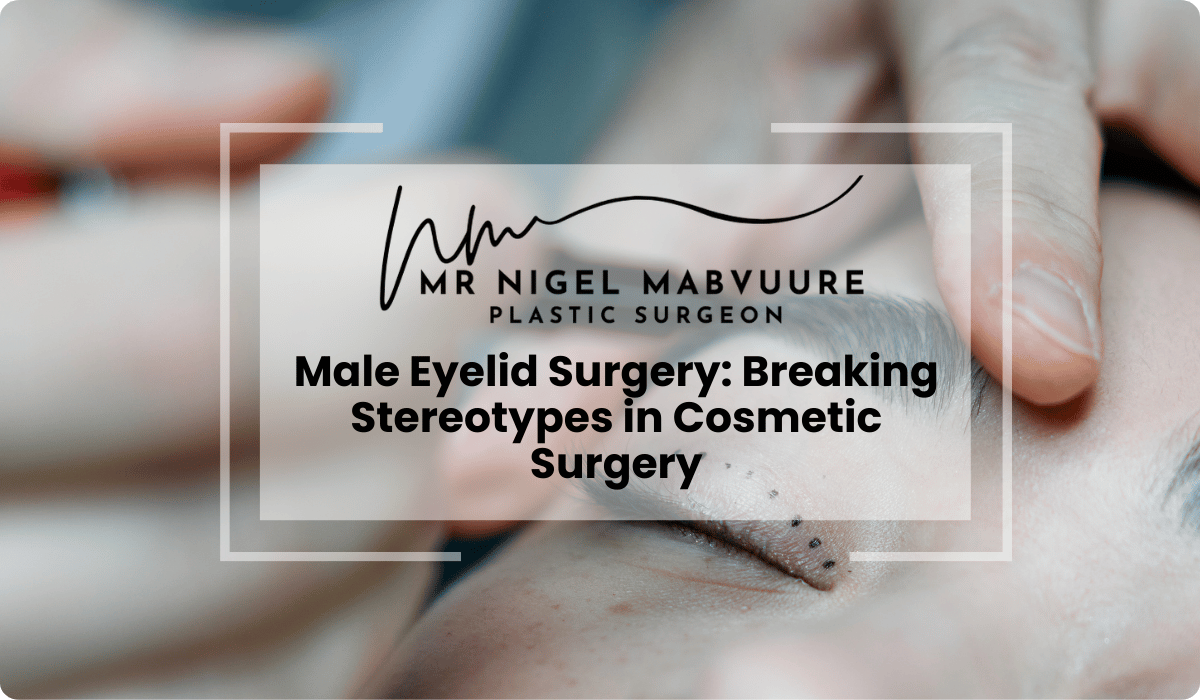
This precision procedure involves carefully removing excess skin and repositioning or removing fat deposits around the eyes. For upper eyelids, incisions are discreetly placed within the natural crease, while lower eyelid approaches may be made just beneath the lash line or inside the eyelid, leaving no visible scarring.
Recovery progresses steadily over 1-3 weeks, with most men returning to office work within 7-10 days and resuming full activities by 3-4 weeks. Initial swelling and bruising gradually subside to reveal your refreshed, natural-looking results – not “surgically enhanced,” but simply a more alert, well-rested version of yourself.
At All Skin Surgery, we understand the specific aesthetic goals of our male patients. Mr. Nigel Mabvuure specialises in techniques that maintain appropriate masculine contours while effectively addressing signs of aging around the eyes.
Book your personalised consultation today to discuss how male blepharoplasty can help align your appearance with your energy and confidence.
Table of Contents
- Understanding Male Blepharoplasty: Basics and Benefits
- Why More Men Are Choosing Eyelid Surgery Today
- How Does Male Eyelid Surgery Differ From Female Procedures?
- The Masculine Approach to Eye Rejuvenation Techniques
- Recovery and Results: What Male Patients Can Expect
- Boosting Professional Appearance Through Eyelid Surgery
- Common Concerns Men Have About Blepharoplasty
- Finding the Right Surgeon for Male-Specific Procedures
Understanding Male Blepharoplasty: Basics and Benefits
Male blepharoplasty is a specialised cosmetic procedure designed to address the unique concerns men face with ageing around the eyes. The procedure involves removing excess skin and fat from the upper and/or lower eyelids to create a more refreshed, alert appearance while maintaining masculine features.
For men, the benefits extend beyond cosmetic enhancement. Many patients report functional improvements, particularly when heavy upper eyelids have begun to obstruct peripheral vision. This practical benefit often makes male blepharoplasty as much a functional necessity as an aesthetic choice.
The procedure can effectively address:
- Hooded or drooping upper eyelids that create a tired appearance
- Under-eye bags that suggest exhaustion regardless of rest
- Excess skin creating folds that interfere with vision
- Puffiness that makes men look older than they feel
Modern techniques ensure results appear natural rather than surgically enhanced—a critical consideration for male patients who typically prefer subtle improvements that maintain their masculine features while reversing signs of ageing.
Why More Men Are Choosing Eyelid Surgery Today
The landscape of cosmetic surgery is evolving rapidly, with men’s eyelid surgery experiencing significant growth. According to recent statistics, male patients now account for approximately 15-20% of all blepharoplasty procedures—a dramatic increase from just a decade ago.
Several factors are driving this trend:
- Workplace competitiveness in which looking energetic and vital offers professional advantages
- Reduced stigma surrounding male cosmetic procedures
- Greater awareness that certain genetic traits, not just ageing, can cause premature eyelid hooding
- Minimally invasive techniques offering quicker recovery periods that accommodate busy schedules
The question “Do men get eyelid surgery?” has been definitively answered—they absolutely do, and in increasing numbers. While traditionally viewed as a female-dominated procedure, blepharoplasty has gained acceptance among men who recognise that maintaining a refreshed appearance doesn’t compromise masculinity but rather enhances confidence and perceived vitality.
Most male patients seeking blepharoplasty are professionals between 40-65 years of age who want their outer appearance to reflect their inner energy and capability—a crucial alignment in competitive professional environments where first impressions matter significantly.
How Does Male Eyelid Surgery Differ From Female Procedures?
Male eyelid surgery requires distinct technical considerations that differ substantially from female blepharoplasty. These differences aren’t merely cosmetic preferences but reflect the fundamental anatomical and aesthetic distinctions between male and female facial structures.
Key differences include:
- Preservation of natural hooding: Some degree of upper eyelid fullness is considered masculine and should be maintained
- Lower crease placement: Men typically have lower or less defined upper eyelid creases than women
- Conservative fat removal: Excessive fat removal can feminise male eyes or create a hollowed appearance
- Thicker skin consideration: Male skin tends to be thicker with different healing characteristics
- Brow position maintenance: Male brows naturally sit lower than female brows and should not be significantly elevated
A skilled surgeon recognises that applying female blepharoplasty standards to male patients risks creating unnatural, feminised results that appear obviously “worked on.” Instead, male-specific techniques aim to refresh and rejuvenate while maintaining the strength and character of masculine features.
The goal is never to create a wide-eyed, surprised look, but rather to restore a naturally alert, well-rested appearance that enhances rather than alters the patient’s inherent facial characteristics.
The Masculine Approach to Eye Rejuvenation Techniques
Masculine eye rejuvenation requires specialised techniques that honour male facial aesthetics while effectively addressing ageing concerns. The primary objective is creating natural results that maintain masculine features rather than producing an overtly “surgical” appearance.
The technical approach typically includes:
- Strategic incision placement: Incisions are carefully positioned within natural skin creases or just below the lash line to remain virtually undetectable in men, who are less likely to use cosmetics for camouflage
- Muscle preservation techniques: Maintaining appropriate orbital muscle structure ensures results appear strong rather than delicate
- Complementary procedures: For comprehensive rejuvenation, surgeons might recommend targeted treatments like selective fat grafting to address hollowness without feminising the eye area
- Skin resurfacing integration: Laser or chemical treatments can address surface texture concerns while blepharoplasty addresses structural issues
The masculine ideal emphasises a defined, alert eye appearance without sacrificing the natural contours that contribute to male facial identity. This often means a more conservative approach to skin removal, particularly in the upper eyelids, where maintaining some degree of natural hooding creates a more masculine result.
Modern techniques may also incorporate preservation and redistribution of fat rather than wholesale removal, creating natural contours rather than a skeletal or overly tightened appearance.
Recovery and Results: What Male Patients Can Expect
Recovery from male blepharoplasty follows a predictable timeline, though individual experiences may vary based on procedure extent and personal healing factors. Understanding this progression helps patients manage expectations and plan accordingly.
The typical recovery journey includes:
- First 24-48 hours: Expect noticeable swelling, possible bruising, and mild discomfort manageable with prescribed medications
- Days 3-7: Most sutures are removed; swelling begins to subside though still visible
- Days 7-14: Many men feel comfortable returning to office work and light social engagements
- Weeks 2-4: Bruising typically resolves completely; residual swelling continues to improve
- Months 1-3: Final results begin to emerge as all swelling subsides and tissues settle
Male patients should anticipate taking at least one week away from professional obligations, though many executives schedule procedures during holiday periods to allow for discreet recovery. Strenuous physical activity, including weight training, should be avoided for approximately 3-4 weeks to prevent increased swelling or bleeding.
Results typically include a more rested, alert appearance without obvious signs of surgical intervention. Most patients report that colleagues and friends comment they look “well-rested” or “refreshed” rather than identifying surgical changes—precisely the natural outcome most men desire.
Boosting Professional Appearance Through Eyelid Surgery
In today’s competitive professional landscape, appearance plays an undeniable role in perception and opportunity. Male eyelid surgery offers significant advantages for men seeking to align their outward appearance with their inner vitality and professional capability.
Studies consistently demonstrate that perceived fatigue, regardless of actual energy levels, can negatively impact professional interactions. When drooping eyelids or under-eye bags create a perpetually tired appearance, even the most engaged and energetic professionals may find themselves fighting an unconscious perception bias.
Key professional benefits include:
- Increased perceived attentiveness: Eyes that appear alert suggest greater engagement and focus
- Enhanced non-verbal communication: Greater eye visibility improves expression and connection during important interactions
- Alignment of appearance with expertise: Looking as vital as one feels helps establish congruence between experience and appearance
- Competitive edge in client-facing roles: First impressions form rapidly, with facial appearance playing a crucial role
For executives, entrepreneurs, and professionals in highly visible positions, blepharoplasty offers a strategic investment in professional longevity. The confidence boost that comes from knowing one’s appearance reflects inner capability can manifest in measurable professional outcomes, from improved presentation skills to more assertive negotiation techniques.
Common Concerns Men Have About Blepharoplasty
When considering eyelid surgery, men often express specific concerns that differ from those typically raised by female patients. Addressing these concerns transparently helps prospective patients make informed decisions about proceeding with blepharoplasty.
Frequently asked questions include:
- Will people know I’ve had surgery? A properly performed male blepharoplasty preserves natural masculine features while subtly improving appearance, typically resulting in comments about looking “well-rested” rather than “surgically enhanced.”
- How much time will I need away from work? Most men can return to office work within 7-10 days, though residual bruising may be present. Strategic timing around holidays or planned leave periods can minimise workplace disruption.
- Will the procedure affect my vision? Temporary blurred vision can occur from lubricating ointments and mild swelling, but typically resolves quickly. For many with significant hooding, peripheral vision often improves following recovery.
- Is the procedure painful? Most men report minimal discomfort, describing the recovery as involving pressure and tightness rather than acute pain. Prescription pain medication is typically only needed for 1-3 days.
Many men also express concern about appearing “overdone” or feminine after surgery. This highlights the importance of selecting a surgeon experienced specifically in male facial aesthetics who understands how to maintain masculine features while achieving rejuvenation.
Finding the Right Surgeon for Male-Specific Procedures
Selecting the appropriate surgeon is perhaps the most critical decision when considering male blepharoplasty. Not all plastic surgeons have significant experience with male-specific techniques, and this specialisation makes a substantial difference in outcomes.
When evaluating potential surgeons, consider these essential factors:
- Board certification and specialisation: Verify FRCS(Plast) credentials and specific training in facial plastic surgery
- Male blepharoplasty experience: Ask what percentage of their eyelid procedures are performed on male patients
- Before and after portfolio: Review photographs specifically of male patients with similar concerns
- Understanding of male aesthetic goals: The surgeon should discuss maintaining masculinity rather than simply removing tissue
- Communication approach: Choose a surgeon who listens to your specific concerns rather than applying a standard approach
Initial consultations provide valuable insight into how well a surgeon understands male-specific considerations. The right surgeon will discuss how they’ll preserve masculine features while addressing your concerns, using terminology that demonstrates familiarity with male blepharoplasty techniques.
Many men benefit from seeking surgeons who specialise in male plastic surgery or who have published research or articles specifically addressing male facial aesthetics. These credentials suggest a deeper understanding of the nuanced differences required for successful outcomes in male patients.
Frequently Asked Questions
How much does male blepharoplasty typically cost?
Male blepharoplasty typically costs between £3,000-£6,000 in the UK, depending on whether you’re having upper, lower, or both eyelids treated. This price usually includes the surgical fee, anesthesia, facility costs, and follow-up appointments. Insurance may cover the procedure if drooping eyelids significantly impair vision, but purely cosmetic procedures are generally not covered. Always request a detailed cost breakdown during consultation.
What is the difference between upper and lower male blepharoplasty?
Upper blepharoplasty addresses excess skin and fat in the upper eyelids that create hooding or a heavy appearance, potentially improving vision in severe cases. Lower blepharoplasty targets under-eye bags, puffiness, and excess skin beneath the eyes. Many male patients benefit from both procedures performed simultaneously, though they can be done separately. Each procedure has different recovery profiles and addresses distinct masculine aging concerns.
Am I a good candidate for male eyelid surgery?
Good candidates for male blepharoplasty are generally healthy men who have:
- Excess upper eyelid skin that creates hooding or affects vision
- Persistent under-eye bags despite adequate rest
- Realistic expectations about outcomes
- No serious eye conditions or uncontrolled medical issues
- Non-smoking status or willingness to quit temporarily
Ideal candidates are typically 35-70 years old, though age alone doesn’t determine candidacy. A consultation with a specialist in male facial aesthetics can best assess individual suitability.
How long do results from male eyelid surgery last?
Results from male blepharoplasty typically last 7-10 years for upper eyelids and 10-15 years for lower eyelids. However, this varies based on individual factors including genetics, lifestyle, and skincare practices. While the procedure removes existing excess skin and fat, it doesn’t stop the natural aging process. Maintaining results long-term is enhanced by sun protection, avoiding smoking, proper skincare, and healthy lifestyle choices. Some men may benefit from non-surgical maintenance treatments in the years following surgery.
Can male blepharoplasty be combined with other procedures?
Yes, male blepharoplasty is commonly combined with complementary procedures for comprehensive facial rejuvenation. Popular combinations include:
- Brow lift to address forehead lines and brow position
- Facial fat grafting to restore volume loss in the mid-face
- Laser skin resurfacing to improve skin texture and reduce fine lines
- Rhinoplasty for proportional facial balance
Combined procedures offer the advantage of a single recovery period and comprehensive results. However, this approach requires careful planning by a surgeon experienced in male-specific aesthetic techniques to ensure masculine features are preserved throughout all treatment areas.
Will insurance cover my male blepharoplasty procedure?
Insurance may cover male blepharoplasty when it’s deemed medically necessary—typically when excess upper eyelid skin significantly impairs vision. To qualify for coverage, you’ll generally need:
- Documentation of visual field impairment from an ophthalmologist
- Photographs showing the functional impact of eyelid drooping
- Evidence that conservative treatments have been insufficient
Purely cosmetic concerns are rarely covered by insurance. Many surgeons offer financing options for patients whose procedures are deemed cosmetic or only partially covered. Always check with your insurance provider about specific coverage criteria before proceeding.
How can I ensure the most natural-looking results from male eyelid surgery?
To achieve natural-looking results from male blepharoplasty:
- Select a surgeon with extensive experience specifically in male eyelid procedures
- Review before/after photos of male patients with similar features
- Discuss your desire for maintaining masculine eye characteristics
- Consider conservative approaches that preserve some natural hooding
- Follow all pre- and post-operative instructions meticulously
Natural results come from surgical techniques that respect male facial anatomy rather than applying female aesthetic standards to male patients. The goal should be a refreshed, alert appearance that looks like you—just well-rested—not an obvious change in your fundamental appearance.