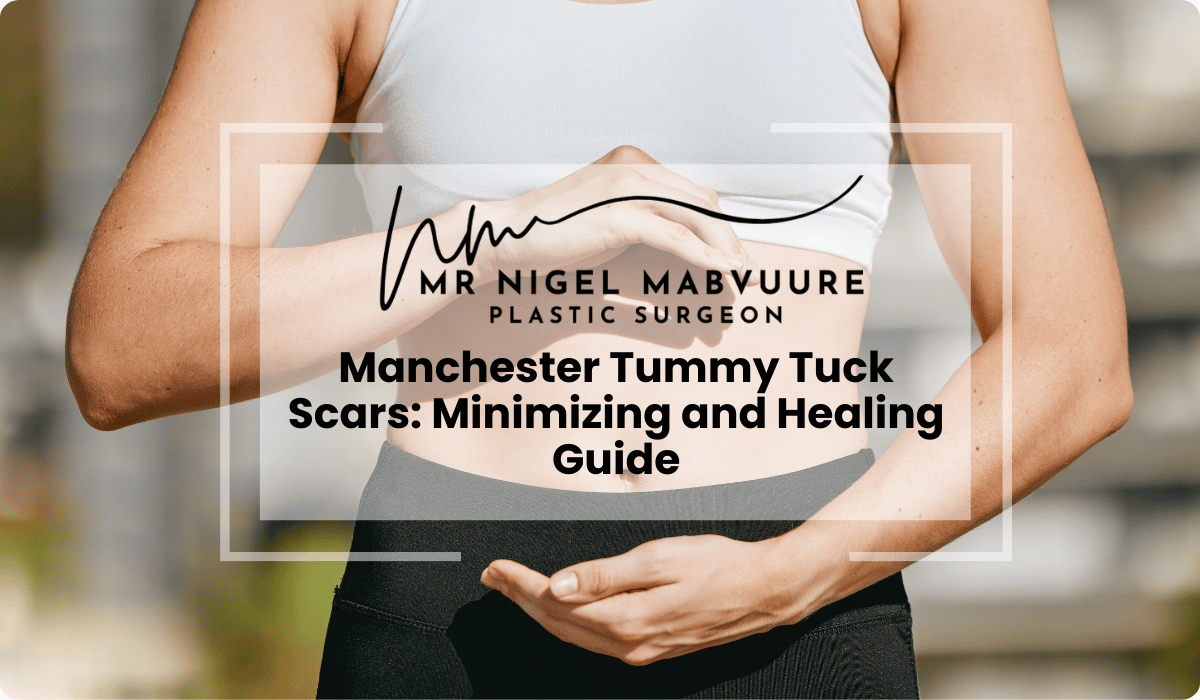
Tummy Tuck Scar Management in Manchester: What Every Patient Should Know
For many Manchester residents considering abdominoplasty, concerns about scarring often overshadow the excitement of achieving a flatter, more toned midsection. This anxiety is completely natural—whether you’re addressing post-pregnancy changes, celebrating significant weight loss, or simply seeking to restore your confidence, the thought of permanent scarring deserves careful consideration.
A tummy tuck procedure involves removing excess skin and fat while tightening weakened abdominal muscles. The surgical technique requires a horizontal incision placed strategically low on the abdomen, designed to be concealed beneath underwear and swimwear. For more extensive cases, additional incisions around the navel or vertically may be necessary, depending on your unique anatomy and goals.
Recovery typically spans 2-6 weeks for initial healing, with scar maturation continuing for 12-18 months. During this time, your scars will transform from red, slightly raised lines to flatter, paler marks that blend more naturally with surrounding skin. Throughout this journey, I provide comprehensive scar management protocols tailored to your specific healing patterns.
As a specialist in complex reconstructive procedures at The Christie, I approach each tummy tuck with meticulous attention to incision placement, tension management, and closure techniques that promote optimal scarring outcomes. My patients consistently report that their final results—a smoother, more proportionate abdomen—far outweigh their initial concerns about scarring.
To discuss your specific concerns and learn more about my personalised approach to minimising tummy tuck scarring, book your confidential consultation today. Together, we’ll develop a treatment plan that addresses your unique needs while achieving the most aesthetic outcome possible.
Table of Contents
- Understanding Tummy Tuck Scars: What to Expect in Manchester
- The Typical Healing Timeline for Abdominoplasty Scars
- How Do Manchester Surgeons Minimize Tummy Tuck Scarring?
- Essential Scar Care Techniques After Your Manchester Tummy Tuck
- Professional Scar Treatments Available in Manchester
- Can Tummy Tuck Scars Be Revised or Improved?
- Manchester Patient Stories: Real Results and Scar Outcomes
- Choosing the Right Manchester Surgeon for Minimal Scarring
Understanding Tummy Tuck Scars: What to Expect in Manchester
As a Consultant Plastic Surgeon specialising in body contouring procedures, I often discuss scarring concerns with my Manchester tummy tuck patients. The reality is that all surgical procedures leave scars, including abdominoplasty. However, understanding what to expect can help manage expectations and reduce anxiety.
Standard tummy tuck (full abdominoplasty) procedures typically result in three potential scars: a horizontal lower abdominal scar extending from hip to hip, a scar around the repositioned navel, and in some cases, a vertical midline scar for fleur-de-lis techniques. The primary lower abdominal scar is strategically placed below the bikini line, ensuring it remains concealed beneath underwear and swimwear.
For mini-abdominoplasty procedures, which address mainly the area below the navel, the scarring is significantly reduced—typically a shorter horizontal scar without the umbilical scar. The appearance of fresh tummy tuck scars in Manchester patients initially presents as red, slightly raised lines that gradually fade and flatten over months.
Many of my patients at The Christie are pleasantly surprised by how well their scars heal when proper techniques and aftercare are employed. The trade-off between some degree of scarring versus the dramatic body contouring improvements is one that most patients find worthwhile, especially when scars are strategically placed and well-managed.
The Typical Healing Timeline for Abdominoplasty Scars
Understanding the Manchester tummy tuck scar healing timeline helps patients maintain realistic expectations throughout their recovery journey. As a Consultant Plastic Surgeon, I ensure my patients are well-informed about this process.
Immediate post-surgery (1-2 weeks): Incisions appear red, slightly swollen, and may have some drainage. Sutures are typically removed during this period, and surgical tapes are applied to support the healing tissues.
Early healing phase (2-6 weeks): Scars remain prominently red or pink and may feel firm to the touch. This is when the body’s inflammatory response is actively working. Some patients experience mild itching, which is a normal part of healing.
Maturation phase (6 weeks to 6 months): Manchester abdominoplasty scarring begins its significant transformation. Scars gradually fade from red to pink, becoming less noticeable. The firmness starts to soften as collagen remodelling occurs beneath the skin surface.
Long-term healing (6-18 months): This is when the most dramatic improvement occurs. Scars typically flatten and fade to a silvery or skin-toned line. For many of my Manchester patients, scars reach their final appearance around 12-18 months post-surgery.
It’s important to note that healing timelines vary significantly between individuals. Factors including age, skin type, genetics, nutrition, smoking status, and adherence to post-operative care instructions all influence how quickly and effectively scars heal. Learn more about the tummy tuck healing process to prepare for your journey.
How Do Manchester Surgeons Minimize Tummy Tuck Scarring?
As a Consultant Plastic Surgeon at The Christie, I employ multiple advanced techniques to minimise scarring in my Manchester tummy tuck patients. These surgeon-controlled factors significantly influence the final appearance of abdominoplasty scars.
Strategic incision placement: I meticulously plan each incision to fall within natural skin creases or below the bikini line. For women who prefer low-cut underwear, I can adjust the incision pattern accordingly. This personalised approach ensures scars remain concealed under most clothing.
Precise tension management: Excessive tension on wound edges leads to wider, more noticeable scars. I employ deep fascial suturing techniques to minimise tension on the skin itself, allowing for the thinnest possible scar formation.
Multi-layered closure technique: Rather than relying on a single layer of sutures, I close tummy tuck incisions in multiple layers. This approach distributes tension evenly across the healing tissues and creates a stronger repair with less visible scarring.
Advanced suture materials: I utilise absorbable sutures beneath the skin surface, eliminating the need for suture removal and preventing the “train track” appearance that can occur with traditional stitches.
Continuous refinement: For the final skin closure, I employ an intradermal running suture technique that precisely aligns the skin edges. This meticulous approach minimises scar width and promotes optimal healing.
These surgical principles, combined with my extensive experience in complex reconstructive surgery at Manchester’s premier cancer centre, allow me to achieve consistently refined scar outcomes for my abdominoplasty patients.
Essential Scar Care Techniques After Your Manchester Tummy Tuck
Proactive scar management is crucial for achieving optimal aesthetic results after your Manchester tummy tuck procedure. As your surgeon, I provide comprehensive guidance on tummy tuck scar care Manchester patients should follow to promote healthy healing.
Incision protection: During the first 1-2 weeks, keeping incisions clean and dry is paramount. I provide specific instructions for showering and changing dressings to prevent infection while supporting early healing.
Silicone therapy: Once your incisions have fully closed (typically 2-3 weeks post-surgery), I recommend beginning silicone-based treatments. Silicone sheets or gels create an optimal healing environment by maintaining hydration and modulating collagen production. Apply silicone products consistently for 12-24 hours daily for at least 3 months.
Scar massage: After the initial healing phase (usually 4-6 weeks), gentle scar massage helps break down excess collagen and promotes a softer, flatter appearance. Using firm but gentle pressure, massage the scar in circular motions for 5-10 minutes twice daily using a moisturising agent.
Sun protection: Newly formed scars are highly susceptible to UV damage, which can cause permanent darkening. Apply SPF 50 sunscreen to your scars whenever they might be exposed to sunlight for at least 12 months post-surgery.
Compression garments: Wearing your prescribed compression garment diligently during the initial recovery period helps reduce swelling and supports the healing tissues, potentially improving scar formation.
Nutritional support: Maintaining adequate protein intake, hydration, and essential vitamins (particularly A, C, and E) provides your body with the building blocks needed for optimal healing.
Remember that consistent adherence to these Manchester tummy tuck scar care protocols significantly influences your final aesthetic outcome.
Professional Scar Treatments Available in Manchester
Beyond at-home care, Manchester offers several advanced professional treatments that can significantly enhance the appearance of tummy tuck scars. As a Consultant Plastic Surgeon with expertise in complex reconstructive techniques, I can guide you toward the most effective options for your specific scarring concerns.
Laser therapy: Fractional laser treatments stimulate collagen remodelling and can dramatically improve both the colour and texture of abdominoplasty scars. Pulsed dye lasers specifically target redness in newer scars, while CO2 or Erbium:YAG lasers address texture irregularities in mature scars.
Steroid injections: For hypertrophic (raised) scars that develop during healing, intralesional steroid injections can reduce inflammation, flatten the scar tissue, and minimise associated discomfort. These treatments are typically administered in a series of sessions spaced several weeks apart.
Microneedling: This minimally invasive treatment creates controlled micro-injuries that trigger the body’s wound healing response. When applied to mature abdominoplasty scars, microneedling stimulates collagen production and can improve both texture and pigmentation issues.
Advanced scar dressings: Medical-grade silicone and other specialty wound dressings available through Manchester dermatologists and plastic surgeons can enhance scar maturation beyond over-the-counter options.
Platelet-rich plasma (PRP): This cutting-edge treatment utilises concentrated healing factors from your own blood to accelerate tissue regeneration and improve scar quality.
The optimal timing for these professional Manchester scar treatments varies according to your healing progression. I typically recommend beginning more intensive treatments once your scars have fully matured, usually 6-12 months post-surgery, for maximum benefit and safety.
Can Tummy Tuck Scars Be Revised or Improved?
Yes, tummy tuck scars can be significantly improved through revision procedures. As a Consultant Plastic Surgeon specialising in complex reconstruction, I offer Manchester scar revision techniques for patients dissatisfied with their abdominoplasty scars.
Scar revision becomes an option when:
- Scars have widened beyond expected norms
- There is significant asymmetry or irregularity
- The scar position is aesthetically unfavourable
- Contracted scars cause discomfort or restrict movement
- Maximum improvement from non-surgical treatments has been reached
The timing of scar revision is crucial. I recommend waiting until scars have fully matured—typically 12-18 months post-surgery—before considering surgical revision. This allows for natural improvement to occur and provides a stable tissue environment for revision techniques.
Surgical revision approaches may include:
- Simple scar excision: Removing the existing scar tissue and recreating a more favourable closure
- W-plasty or Z-plasty: Geometric rearrangement techniques that can break up a straight-line scar, making it less noticeable
- Repositioning: Relocating the scar to a more aesthetic position, particularly if the original scar sits too high above the bikini line
- Dermal substitutes: In cases of significant scarring, advanced dermal matrices can be incorporated to improve the quality of healing
Manchester post-surgery scar revision is typically performed as a day case procedure under local anaesthesia, with significantly shorter recovery times than the original abdominoplasty. The potential for improvement is substantial, though patients should maintain realistic expectations about achieving complete scar elimination.
Manchester Patient Stories: Real Results and Scar Outcomes
The journey of tummy tuck recovery and scar development is unique for every patient. Through my years of practice in Manchester, I’ve documented numerous patient experiences that demonstrate the reality of abdominoplasty scar healing and long-term outcomes.
Sarah, 38, post-pregnancy abdominoplasty: “I was initially concerned about the prominent scar after my tummy tuck. By following Mr. Mabvuure’s detailed scar care protocol diligently, I’ve been amazed at how it’s faded. At 14 months post-surgery, my scar is a thin, pale line that’s easily concealed. The transformation of my abdomen was absolutely worth it.”
James, 42, post-weight loss patient: “After losing 8 stone, I needed significant excess skin removal. My concerns about scarring were outweighed by my desire for body contouring. My fleur-de-lis abdominoplasty left both horizontal and vertical scars, but they’ve healed remarkably well. The improvement in my body shape has transformed my confidence despite the visible scarring.”
Emma, 45, mummy makeover patient: “Combining my tummy tuck with breast surgery meant I was particularly concerned about multiple scars. Mr. Mabvuure’s precise placement techniques ensured my abdominoplasty scar sits perfectly beneath my underwear line. Now two years post-surgery, I can wear bikinis confidently as the scar has faded significantly.”
David, 51, fitness enthusiast: “Despite maintaining good fitness, I couldn’t address my loose abdominal skin. I was surprised by how quickly my mini-tummy tuck scar improved with consistent silicone treatment and massage. By six months, it was barely noticeable, and now my only regret is not having done it sooner.”
These Manchester plastic surgery scar experiences highlight that while scarring is inevitable, the combination of skilled surgical technique, appropriate aftercare, and patience during the healing process leads to outcomes that patients find aesthetically acceptable and well worth the surgical journey.
Choosing the Right Manchester Surgeon for Minimal Scarring
The skill and expertise of your plastic surgeon directly influence the quality of your tummy tuck scars. When seeking scar minimization Manchester patients should prioritise these key factors when selecting their surgeon:
Specialised qualifications: Look for a surgeon who is fully registered with the GMC and holds FRCS(Plast) certification, indicating completion of rigorous plastic surgery training. This background ensures comprehensive understanding of advanced wound closure techniques essential for minimal scarring.
Reconstructive experience: Surgeons with extensive reconstructive experience, particularly those working in major centres like The Christie, develop exceptional skills in optimising wound healing and scar management. My background in complex cancer reconstruction has honed techniques that I apply to every abdominoplasty procedure.
Before and after portfolio: Review the surgeon’s tummy tuck results specifically focusing on scar quality and placement. Request to see examples of patients with similar body types and surgical needs to yours, at various stages of healing (3 months, 6 months, 1 year+).
Comprehensive aftercare: Your surgeon should provide detailed scar management protocols and be committed to your long-term results. Ongoing support throughout the healing process significantly impacts final scar appearance.
Patient-centred approach: During consultation, assess whether the surgeon takes time to understand your specific concerns about scarring and explains their technical approach to minimising visible marks.
Hospital affiliations: Surgeons with appointments at leading teaching hospitals or specialist centres typically maintain the highest standards of surgical technique and patient care.
As a Consultant Plastic Surgeon at The Christie with specialist training in complex reconstruction, I bring precision, artistic vision, and technical excellence to every abdominoplasty procedure. I invite you to schedule a consultation to discuss your body contouring goals and develop a personalised approach to achieving the most aesthetic outcome with carefully managed scarring.
Frequently Asked Questions
How long does it take for tummy tuck scars to fade completely?
Tummy tuck scars typically take 12-18 months to reach their final appearance. During the first 6 weeks, scars appear red or pink and may feel firm. Between 6 weeks and 6 months, they begin fading from red to pink as collagen remodeling occurs. By 12-18 months post-surgery, most scars have flattened and faded to a silvery or skin-toned line. However, healing timelines vary between individuals based on factors including age, genetics, skin type, and adherence to scar care protocols.
Where exactly are tummy tuck scars located?
Standard full abdominoplasty typically results in three potential scars: a horizontal lower abdominal scar extending from hip to hip that’s strategically placed below the bikini line, a circular scar around the repositioned navel, and in some cases, a vertical midline scar if a fleur-de-lis technique is used. Mini-abdominoplasty procedures result in a shorter horizontal scar without the umbilical component. Your surgeon will discuss specific placement during consultation to ensure scars remain concealed beneath underwear and swimwear.
What is the most effective method for minimizing tummy tuck scars at home?
Silicone therapy is considered the gold standard for at-home scar management. Once incisions have fully closed (typically 2-3 weeks post-surgery), apply silicone sheets or gel consistently for 12-24 hours daily for at least 3 months. Combined with gentle scar massage (after the initial 4-6 week healing phase), proper sun protection (SPF 50), and nutritional support (adequate protein, hydration, and vitamins A, C, and E), silicone therapy significantly improves scar appearance and texture over time.
Can professional treatments improve tummy tuck scars that haven’t faded well?
Yes, several professional treatments can significantly improve stubborn tummy tuck scars. Options include laser therapy (pulsed dye lasers for redness, CO2/Erbium:YAG for texture), steroid injections for raised scars, microneedling to stimulate collagen remodeling, advanced silicone dressings, and platelet-rich plasma (PRP) therapy. These treatments are typically most effective when initiated after scars have matured (6-12 months post-surgery) and should be performed by qualified medical professionals for optimal results and safety.
When should I be concerned about my tummy tuck scar healing?
Consult your surgeon immediately if you experience: increasing redness, warmth or swelling around the incision; opening of the incision; persistent drainage or discharge; severe pain not controlled by prescribed medication; or significant asymmetry or widening of the scar beyond expected healing progression. Early intervention for complications can prevent long-term scar issues. While some redness and firmness are normal during the first several months, signs of infection or wound healing problems require prompt medical attention.
Is surgical scar revision worth considering for my tummy tuck scar?
Surgical scar revision can be worthwhile when scars have widened abnormally, are asymmetrical, positioned unfavorably, cause discomfort, or have not adequately responded to non-surgical treatments. For optimal results, revision should only be considered after scars have fully matured (12-18 months post-surgery). The procedure is typically performed as a day case under local anesthesia with a shorter recovery period than the original abdominoplasty. While significant improvement is possible, patients should maintain realistic expectations about achieving complete scar elimination.
How do I choose a Manchester surgeon who will minimize my tummy tuck scarring?
Select a surgeon who holds FRCS(Plast) certification, has extensive reconstructive experience, and can show a portfolio of tummy tuck results focusing specifically on scar quality. Look for comprehensive aftercare protocols, a patient-centered approach, and affiliations with leading teaching hospitals. During consultation, the surgeon should thoroughly discuss their technical approach to scar minimization and answer all your scarring concerns. Surgeons with backgrounds in complex reconstruction often have superior wound closure techniques that translate to better cosmetic outcomes.